
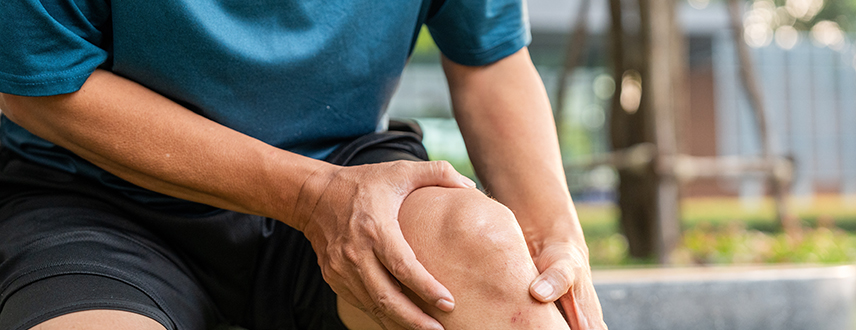
Many people start paying closer attention to joint health in their 40s. Years of workouts, long days on your feet, repetitive movements, and everyday activity can begin to add up.
You might notice occasional stiffness in the knees after exercise, tightness in the shoulders after a long workday, or fatigue in the hands and wrists after repetitive use. These changes are common and often simply reflect the normal wear that comes with an active lifestyle.
While oral joint supplements are widely used to support cartilage and connective tissue, glucosamine cream offers a topical option for targeted support where joints work the hardest.
Why Joint Support Matters in Your 40s
Joint health isn’t just something to think about later in life. Supporting joints earlier can help maintain mobility, flexibility, and comfort over time.
Cartilage—the cushioning tissue between bones—absorbs impact and helps joints move smoothly. Because cartilage changes gradually with age and activity, many people choose to support joint health before stiffness becomes a bigger concern.
Adding supportive habits in your 40s can help you stay active and continue doing the activities you enjoy.
How Glucosamine Cream Is Used
Unlike oral supplements, glucosamine cream is applied directly to the skin over specific joints.
Many people massage the cream into areas that experience frequent use or occasional stiffness. The topical application allows for focused support exactly where it’s needed.
Common areas for use include:
-
Knees after exercise or walking
-
Hands and wrists after repetitive movement
-
Shoulders and elbows affected by daily strain
-
Lower back after long periods of sitting
The massage process itself can also help encourage circulation and relaxation in the surrounding muscles.
Topical and Internal Joint Support
Topical products and oral supplements serve different purposes, which is why many people use them together.
Oral joint supplements provide nutrients that support cartilage and connective tissue throughout the body. Topical creams, on the other hand, allow for localized support in areas that feel overworked or tight.
Combined with regular movement, stretching, and balanced nutrition, these approaches can help support joint health and long-term mobility.