
There’s a lot to love about this time of year. Cooler days, earlier sunsets and cozy evenings at home are a welcome change after the heat of summer. But the change in seasons can also change how much we move.
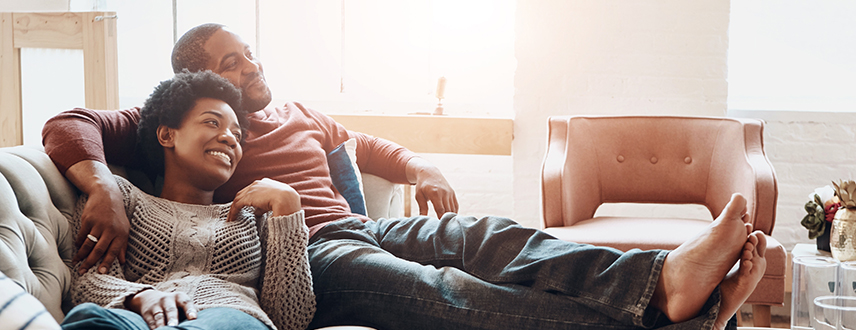
The evening walk gets skipped because it’s already dark. Weekends that once included yardwork, gardening or outdoor activities shift indoors. We spend more time watching TV, reading, scrolling or simply relaxing on the couch.
Before long, we may be sitting a lot more than we were a few months ago — without even realizing it.
Sitting isn’t inherently bad. Rest is important, and there’s nothing wrong with settling in for a good movie or spending a rainy afternoon with a book. The concern is when sitting becomes prolonged and uninterrupted.
Here’s what happens when your body stays still for too long — and why adding a little more movement to your colder-weather routine can make a difference.
Your Muscles Aren’t Doing Much Work
When you walk, climb stairs, stand in the kitchen or work in the yard, muscles throughout your body are constantly engaging.
When you sit, that activity drops significantly. Your large leg and glute muscles do much less work, and staying in one position for a long time can leave your hips, lower back and legs feeling stiff.
You’ve probably experienced it yourself: after a long drive or an evening on the couch, those first few steps can feel surprisingly creaky. Getting up periodically changes your position and puts those muscles back to work.
Your Circulation Slows Down
Movement also helps support healthy circulation. As the muscles in your legs contract, they help move blood back toward your heart. During a long stretch of sitting, those muscles aren’t contracting nearly as often.
That’s one reason your legs and feet may feel stiff or heavy after you’ve been sitting for hours.
The good news? You don’t have to go for a three-mile walk to get moving again. Simply standing up and walking around for a few minutes interrupts that long period of inactivity.
Sitting Changes How Your Body Uses Energy
Your muscles aren’t just responsible for movement. Muscle activity is also involved in how your body uses glucose and fats.
When you’re sitting, your muscles require less energy than they do when you’re standing or moving. Over time, high amounts of sedentary time have been associated with poorer metabolic health, including changes in blood sugar regulation.
This is one reason health researchers are interested not only in how often we exercise, but also in what we’re doing during all the hours in between.
Too Much Sitting Can Affect Heart Health
A highly sedentary lifestyle has also been associated with an increased risk of cardiovascular disease.
That doesn’t mean an afternoon watching football or a cozy evening on the couch is harming your heart. Many things, including exercise, nutrition, sleep, genetics and other lifestyle factors influence overall health.
The bigger concern is the pattern that can develop when much of the day is spent sitting — especially as colder weather gives us fewer natural reasons to get up and head outside.
But I Exercise. Does Sitting Still Matter?
Regular exercise is one of the best things you can do for your health. And if you already walk, work out, bike, swim or participate in another activity, keep doing it.
But exercise and everyday movement aren’t quite the same thing.
A morning workout gives your body a concentrated period of physical activity. Breaking up long periods of sitting gives your muscles opportunities to become active throughout the rest of the day.
Think of them as two pieces of the same puzzle: regular exercise plus regular movement.
Don’t Let Cooler Weather Keep You in Your Seat
Summer tends to give us movement almost accidentally. We walk outside, work in the garden, mow the lawn, attend outdoor events or simply spend more time coming and going.
Fall and winter can require a little more intention.
Fortunately, adding movement doesn’t have to mean finding another hour in your day for exercise. Look for small opportunities to get out of your seat:
- Walk around the house during commercials, halftime or between episodes.
- Take a few laps through a store or mall when the weather makes an outdoor walk unappealing.
- Stand up and move while you’re talking on the phone.
- Walk around the kitchen while you’re waiting for dinner to cook or the coffee to brew.
- Take advantage of the warmest part of the day for a quick trip outside.
- Put on a favorite song and move while you’re straightening up the house.
- Take the stairs an extra time or two.
- Stand, stretch or walk around after you’ve been sitting for a while.
None of these activities is particularly impressive — and that’s exactly the point.
Movement Doesn’t Have to Be a Workout to Count
As the days get shorter and temperatures drop, you don’t have to give up the things that make this time of year enjoyable.
Curl up under the blanket. Watch the game. Read the book. Enjoy a quiet Sunday afternoon. Just remember to get up once in a while.
Your daily activity isn’t limited to the time you spend deliberately exercising. All those little moments when you stand, stretch, walk and move are part of an active lifestyle, too.
This fall, don’t worry about moving perfectly. Just look for more reasons to move.